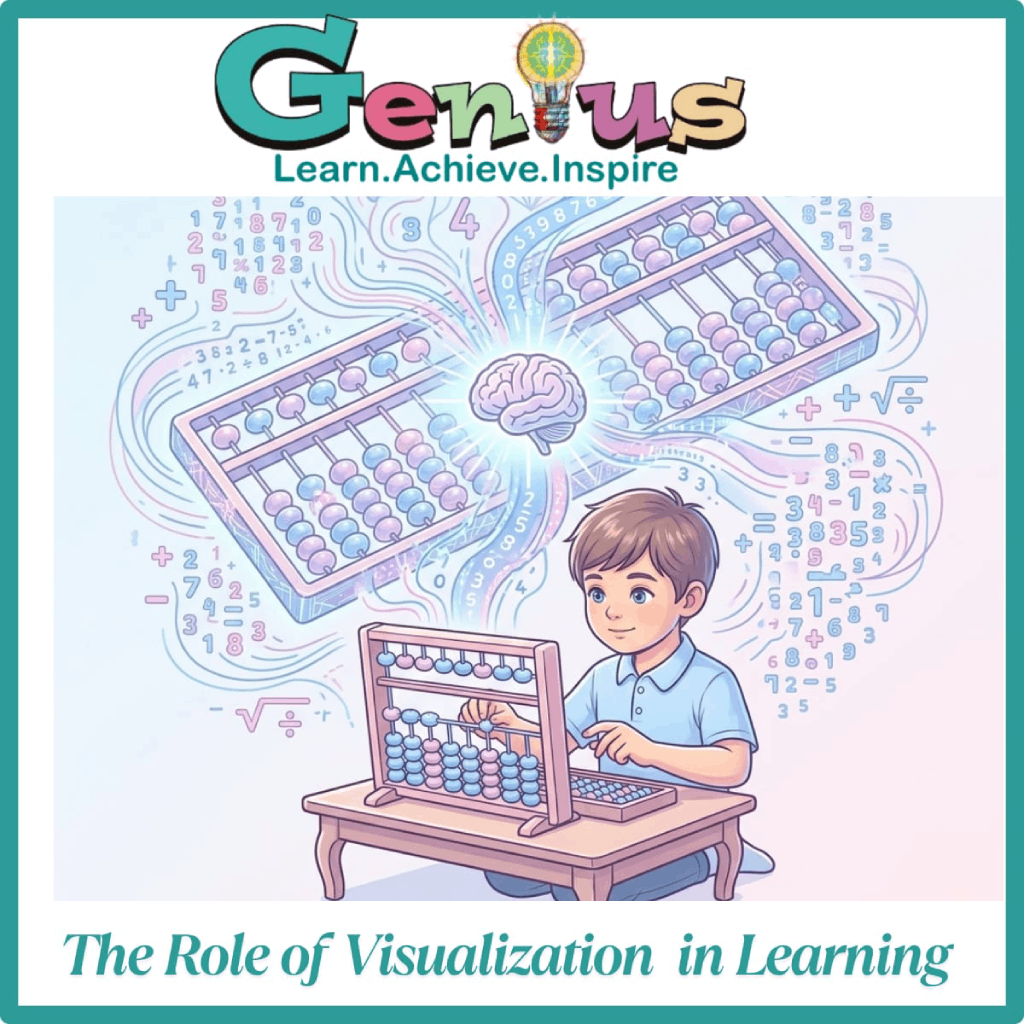
The Role of Visualization in Mathematical Thinking
In the period when digital technology reigns supreme in the education world, the question is how an ancient device similar as the abacus remains so applicable. The reason is that it employs a potent literacy skill that numerous scholar’s moment takes for granted — visualization.
In an era where digital technology dominates education, it's natural to wonder how an ancient tool like the abacus remains relevant. The answer lies in its ability to develop one of the most powerful learning skills—visualization.
At Genius Abacus, we believe that learning is not just about memorising facts or solving equations. It’s about training the mind to think, imagine, and process information more effectively. Abacus training does exactly that by strengthening a child’s ability to create and use mental images.
What Is Visualization in Learning?
Visualization is the ability to create mental images to understand, retain, and process information. It plays a vital role in memory, critical thinking, problem-solving, and decision-making.
Whether solving a maths problem, planning a project, or understanding complex ideas, the ability to "see" concepts in the mind provides a significant learning advantage.
This is where abacus training truly shines.
How Abacus Training Enhances Mental Imagery
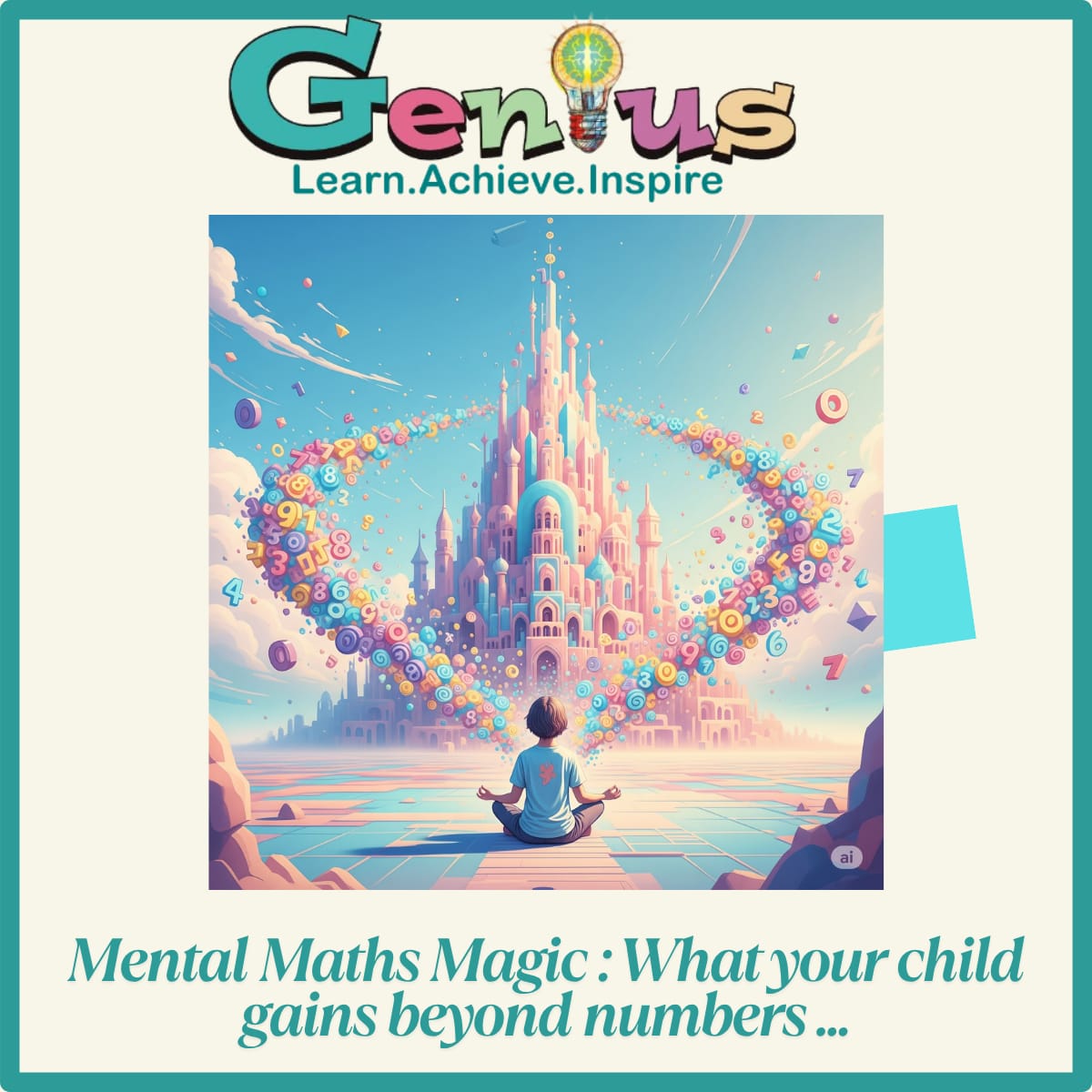
The abacus is much more than a calculation tool. As children progress through abacus training, they gradually stop relying on the physical beads and begin visualising the abacus in their minds. This process develops strong mental imagery and cognitive skills.
1. Enhances Right-Brain Activity
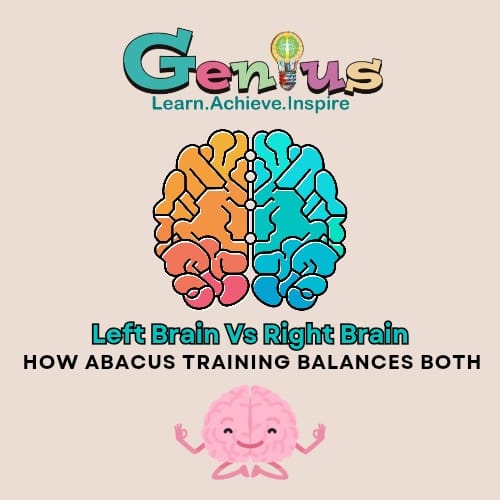
Traditional education often focuses heavily on logical and analytical thinking. Abacus training, however, stimulates the right hemisphere of the brain, which is responsible for imagination, creativity, and spatial awareness.
By engaging both hemispheres simultaneously, children experience balanced brain development and stronger overall cognitive performance.
2. Improves Memory and Attention
Visualising an abacus requires strong working memory. Children must remember bead positions, manipulate numbers mentally, and recall information accurately.
With consistent practice, this strengthens concentration, improves memory retention, and increases attention span.
3. Increases Speed and Accuracy
As mental visualisation becomes second nature, children can perform calculations quickly without relying on calculators or written methods.
This leads to faster decision-making, improved accuracy, and greater confidence in handling challenges both inside and outside the classroom.
4. Builds Confidence in Learning
Children who develop strong visualisation skills often become more confident learners. The ability to solve complex calculations mentally gives them a sense of achievement and encourages them to tackle new challenges with confidence.
Why Visualization Skills Matter in the 21st Century
As industries increasingly rely on artificial intelligence, data analysis, innovation, and design thinking, visual literacy is becoming an essential skill.
From interpreting information and recognising patterns to developing creative solutions, mental imagery helps individuals think more clearly and make better decisions.
By developing visualisation through abacus training, children gain valuable cognitive tools that prepare them for the future of learning and work.
Final Thoughts: Bringing Ancient Tools to Modern Minds
The simplicity of the abacus hides its remarkable power. Through the development of mental visualisation, spatial awareness, memory, and concentration, abacus training continues to be one of the most effective methods for nurturing well-rounded learners.
Whether you're a parent, teacher, or lifelong learner, abacus-based learning can help strengthen mental focus, improve problem-solving abilities, and develop the quick thinking skills needed in today's fast-paced world.
At Genius Abacus, we are passionate about helping children unlock their full potential through proven learning techniques that combine ancient wisdom with modern educational practices.